Backbone Boat Ramp
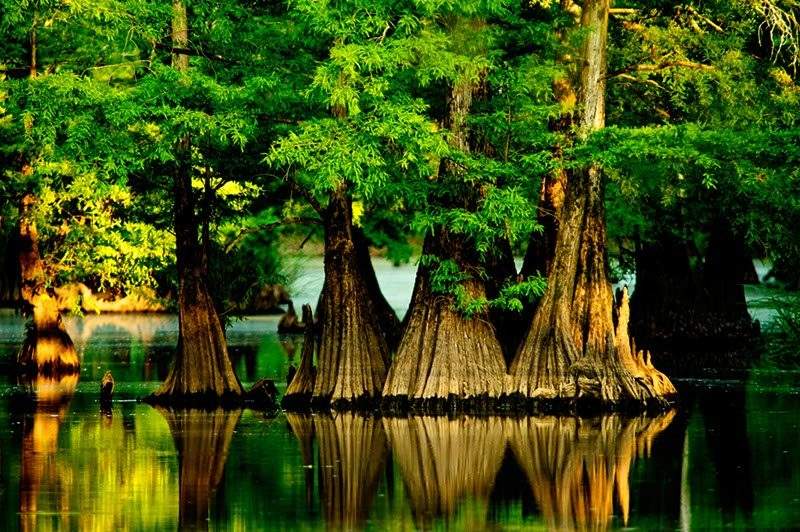
Backbone Boat Launch sits the banks of a creek which flows into Lake Demopolis and across from a flooded cypress slough. This small site may be easily …
Barnett Lawley Forever Wild Field Trial Area
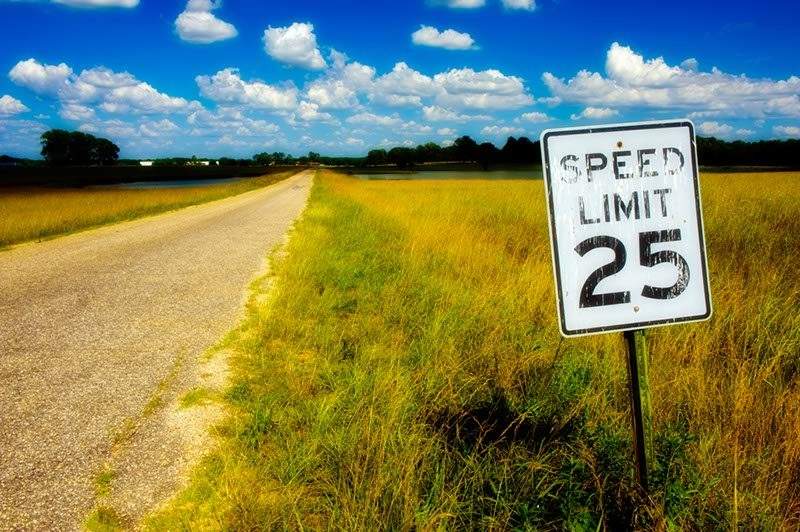
Exceptional grassland birding awaits at the State Cattle Ranch. Standout birds include Dickcissels, Loggerhead Shrikes, American Kestrels, Grasshopper …
Bibb County Glades Preserve
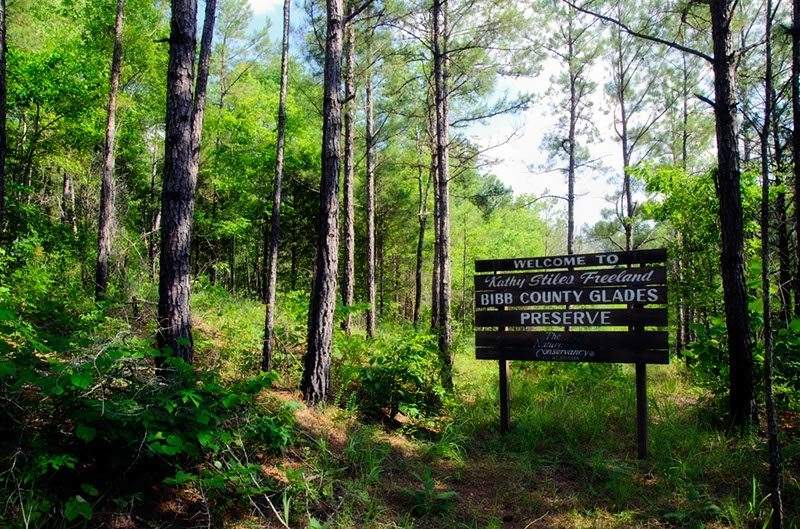
Though known for the rare and unusual wildflowers found on the 480-acre preserve, the Bibb Glades are also good for woodland songbirds. The open, rock …
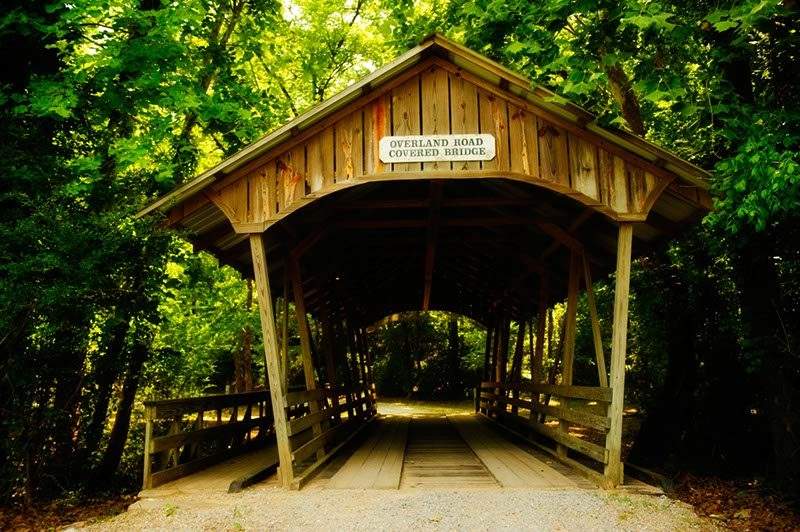
Brierfield Ironworks Historical State Park
Brierfield is an attractive, open, well-maintained park with restrooms, staff, a country store, picnic pavilions, rental cabins, and RV spaces. It fea …
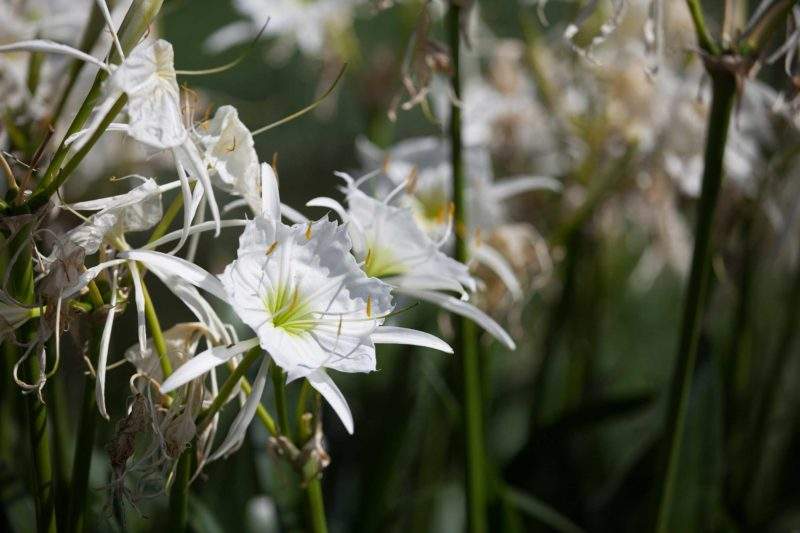
Cahaba River National Wildlife Refuge
Famed for the free-flowing Cahaba River and for the rare wildflowers found here, the Cahaba River NWR is an extraordinarily good birding destination. …
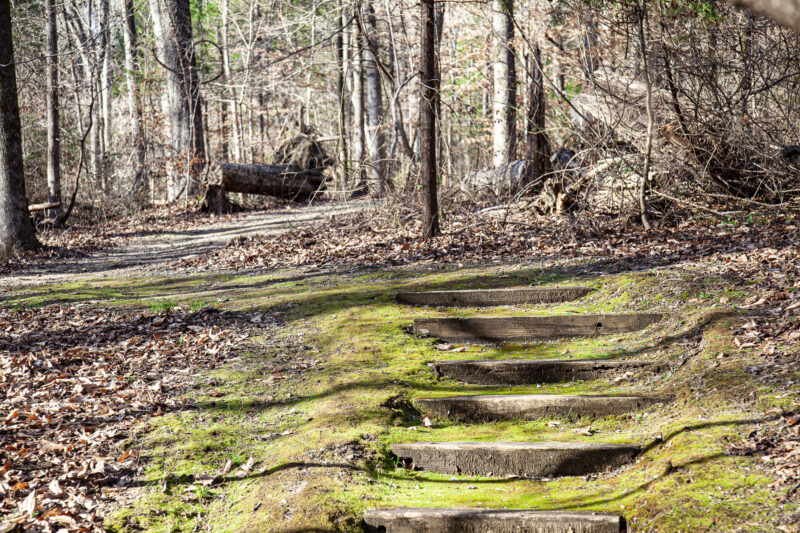
Forkland Campground
This Corps of Engineers-maintained site is similar to most others along the Black Warrior system: boat ramp, picnic area, deep water, well maintained …
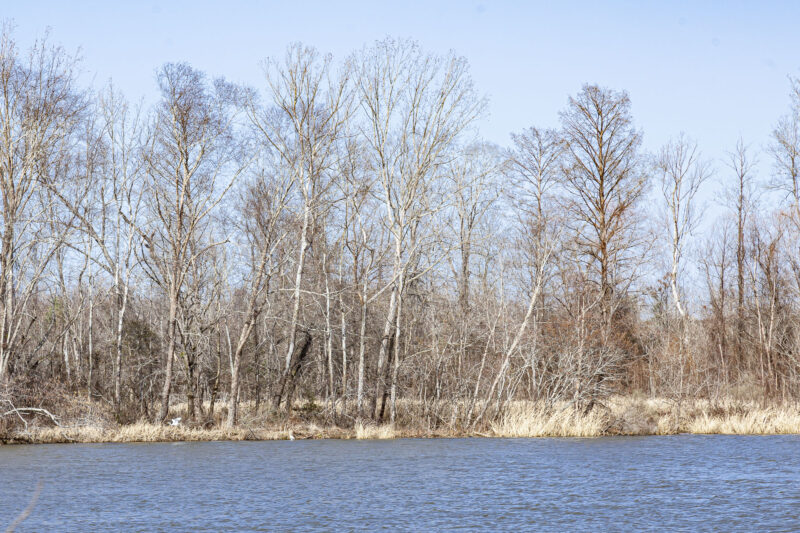
Jennings Ferry
Jennings Ferry is a pleasant island of hospitality on the banks of the Black Warrior River. Mature trees ringing the parking areas are good for songbi …
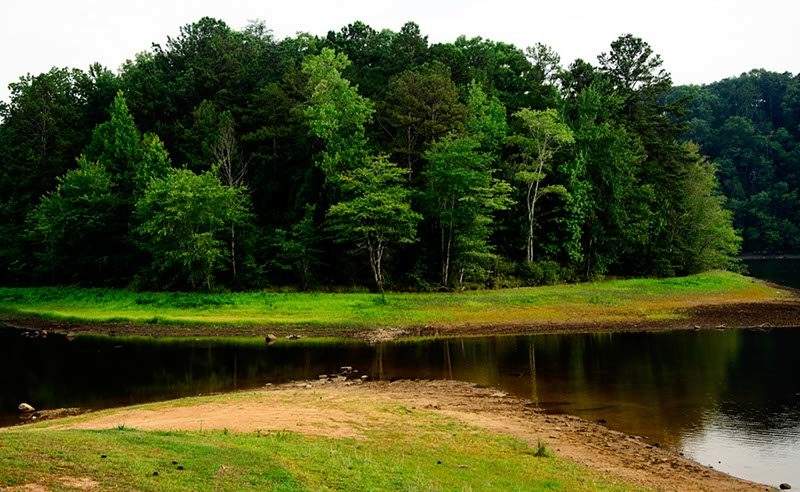
Lake Harris
Lake Harris sits at the end of a long, winding dirt road. The early second-growth habitat along Lake Harris Road is far more productive for birds than …
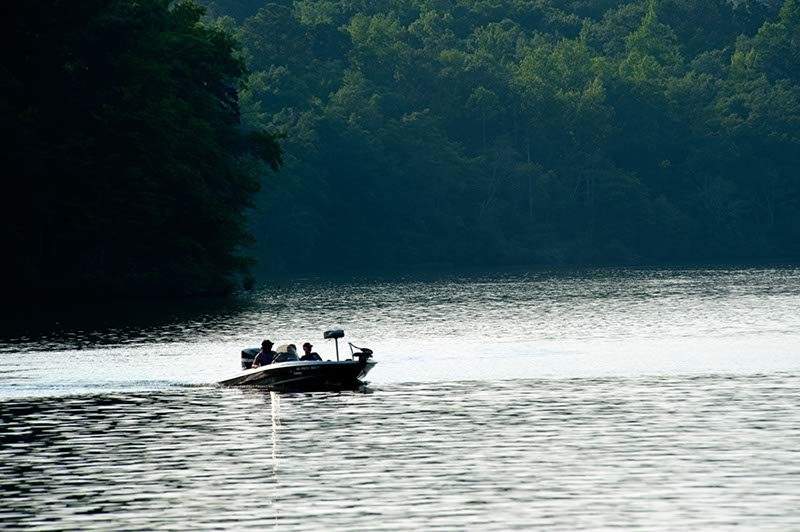
Lake Lurleen State Park
A large, well-visited park with staff, Lake Lurleen features a huge deep-water lake, extensive parking areas, and picnic areas under massive pines. Lo …
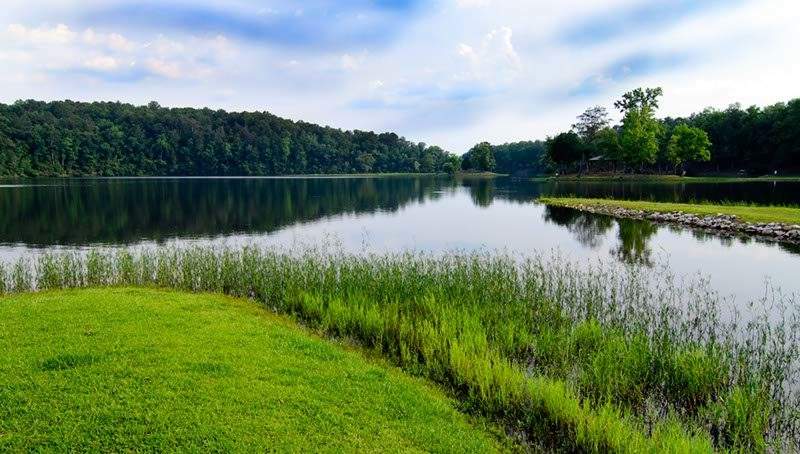
Lake Nicol
Lake Nicol is an attractive, easily accessible, well-maintained, and popular wooded park on a substantial lake. It draws many local visitors, so the b …
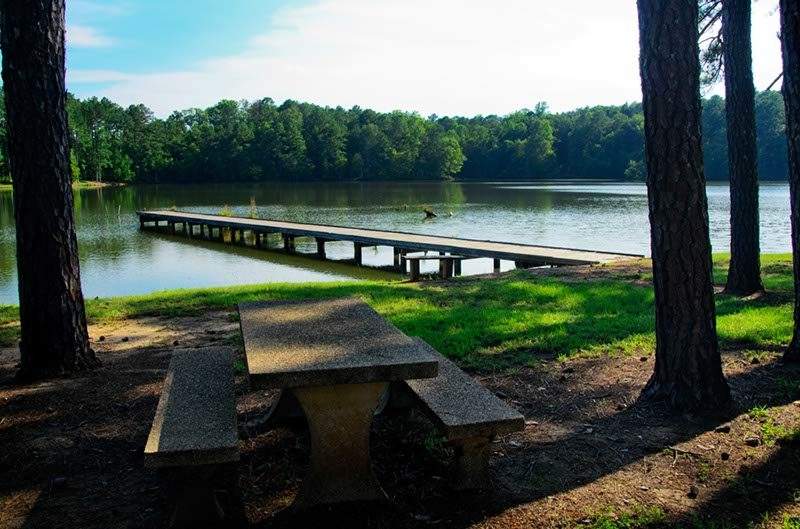
Lamar County Fishing Lake
A 68-acre lake surrounded by open pine woods, Lamar County Fishing Lake offers birding opportunities around the year. Both woodland species and long-l …
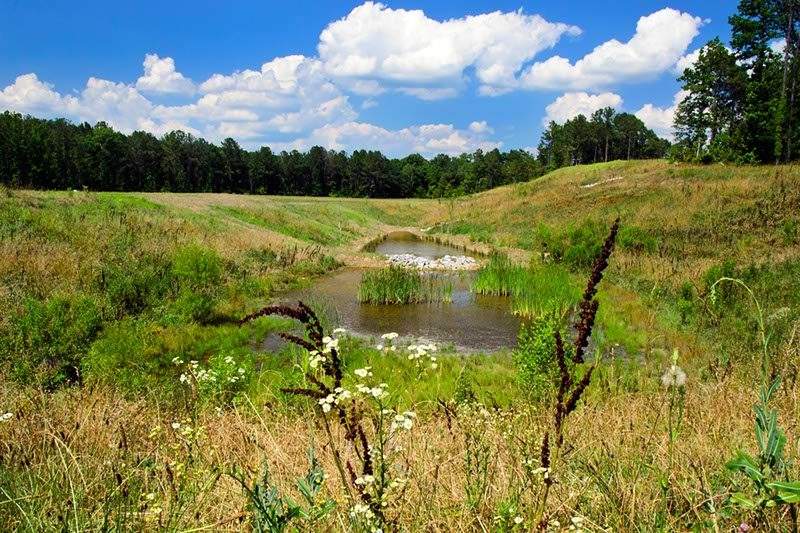
Living River
This site overlooks the Cahaba River and incorporates a small lake. The area is an excellent location for migrant songbirds, and an great selection of …
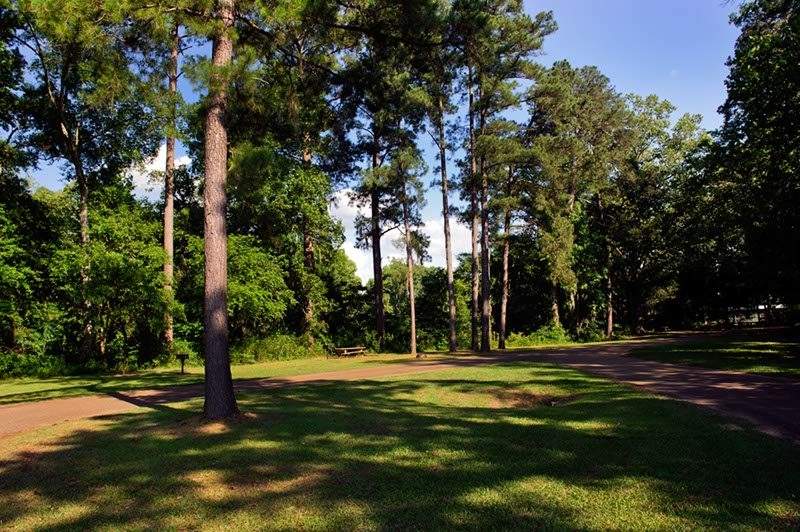
Lock 5 Park
One of several similar recreation areas along the Black Warrior, Lock 5 is a small park with ample parking, restrooms, a picnic area, boat ramp, and m …
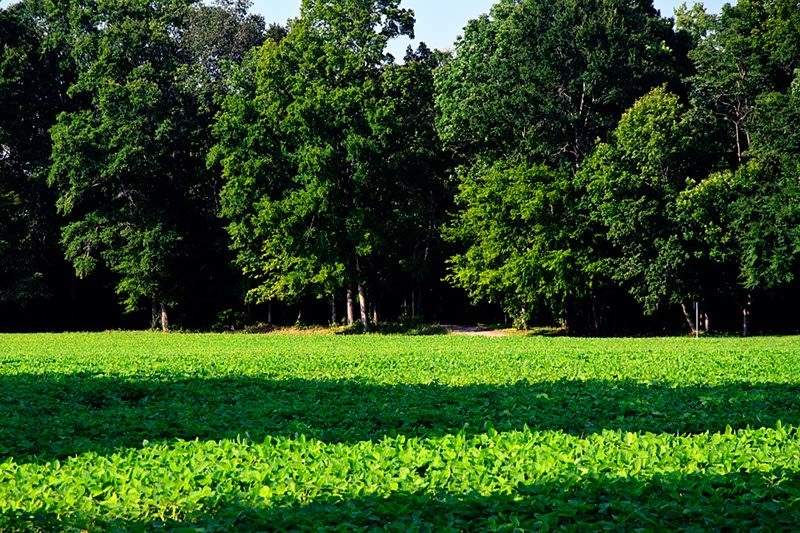
Marion County Indian Mounds
A level .4 mile stroll from a small parking lot, the mounds are at the end of a path bounded by open-row crop fields to the east and south, and wooded …
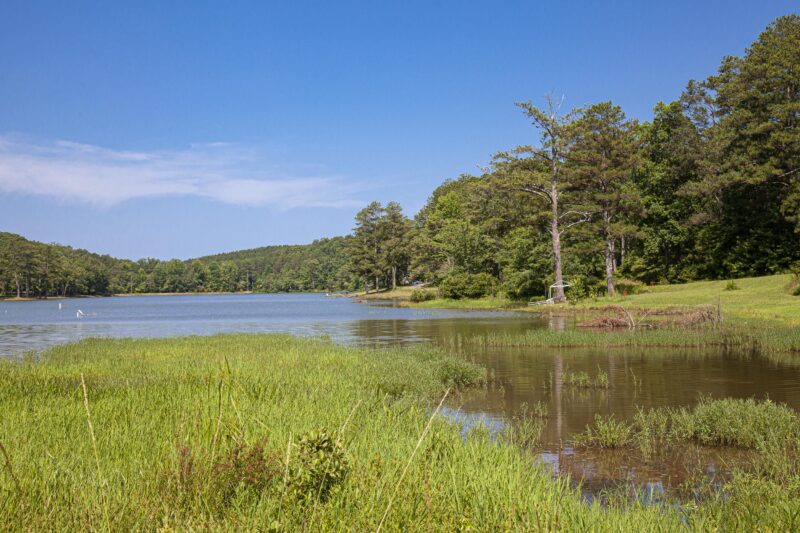
Marion County Lake
Currently closed for renovations. A pleasant way to spend a few hours, the lake is moderate in size, with open, tall pines along its borders. There is …
Moundville Archaeological Park
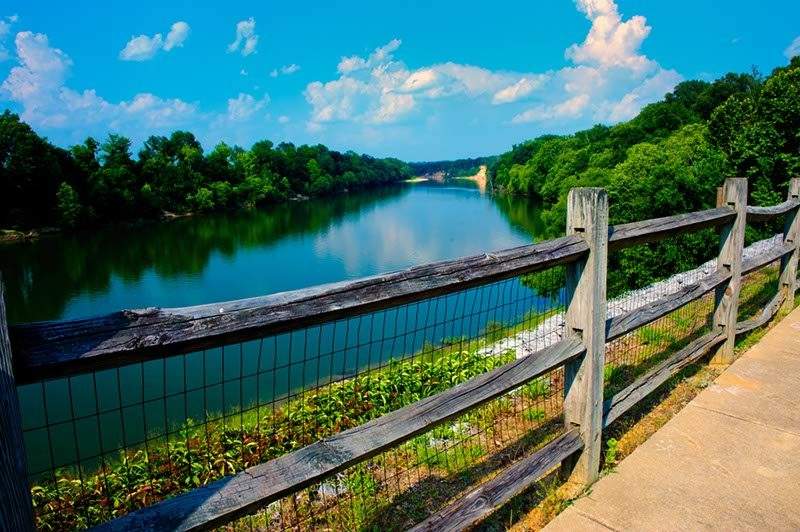
The park’s many large Mississipian-era American Indian mounds dot a large open field with multiple marshes. Red-winged Blackbirds, a few herons, and t …
Old Lock 7 Complex, West Damsite Park
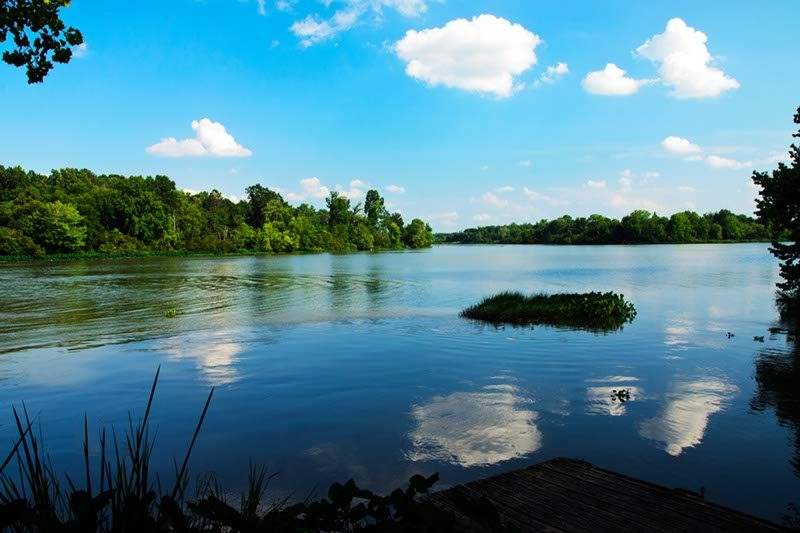
There are two sections to this recreation area. To the south is a more park-like development with a camping area and a few picnic tables. The northern …
Old Lock 8 Park
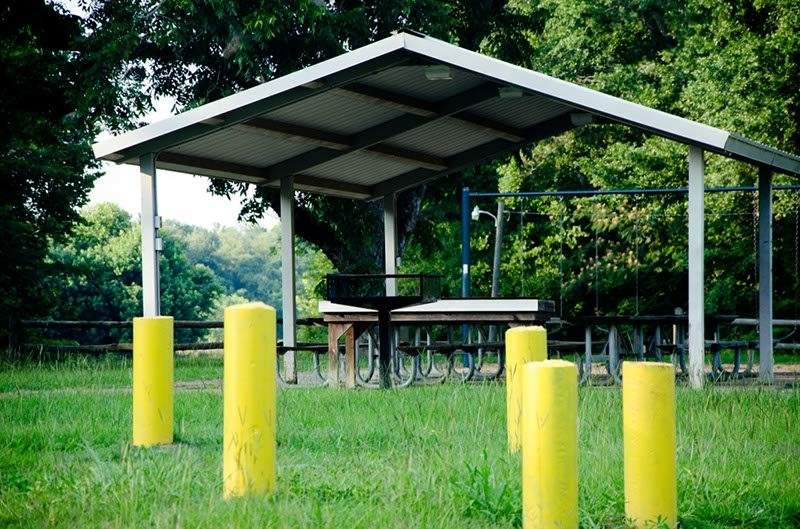
Vastly similar to other such parks along the Black Warrior River, Lock 8 offers deep river, mixed woods along the banks, a picnic shed, and a boat ram …
Payne Lake Recreation Area Oakmulgee Div. Talladega National Forest
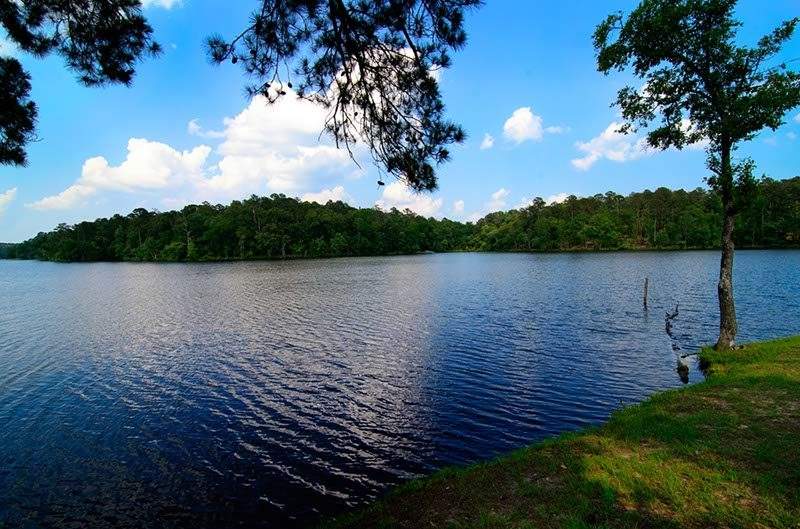
Payne Lake is a productive site for woodland and riparian birds in all but the dead of summer. Open, mature trees near the lake are excellent for ripa …
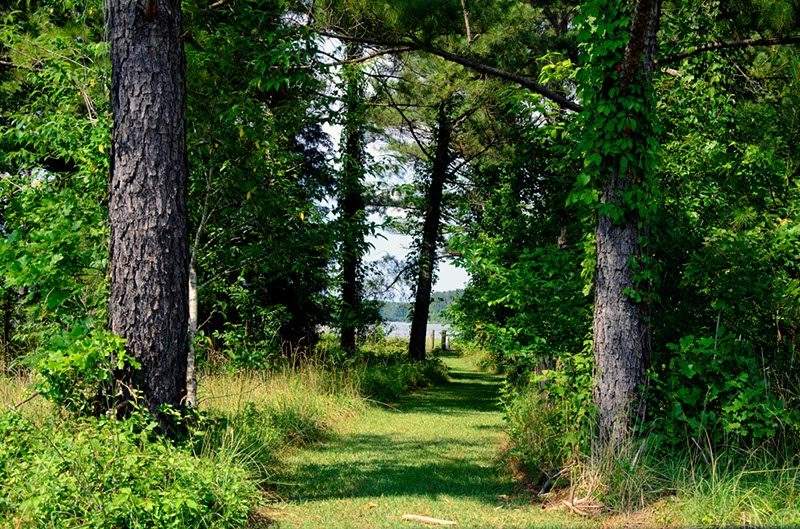
Pickensville Recreation Area
This is an extensive recreation area that stretches from a picnic area and small boardwalk to a campground complex 2.5 miles down the road. Visitors c …
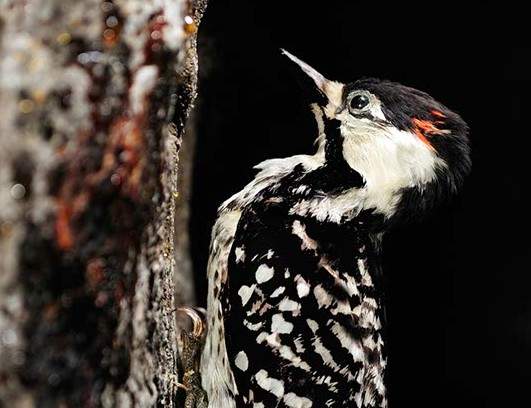
Red-cockaded Woodpecker Colony
The Oakmulgee Division of the Talladega National Forest contains the state’s largest population of Red-cockaded Woodpeckers. The birds nest and forage …
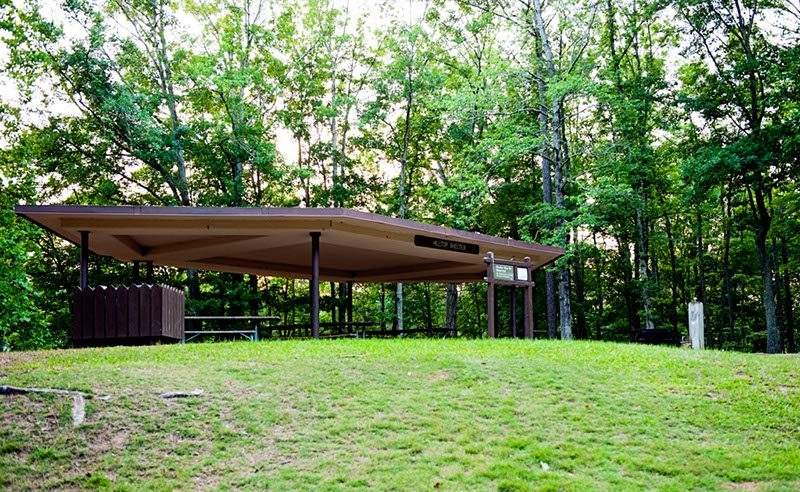
Rocky Branch Park
There are several waterfront parks in the vicinity of Tuscaloosa. Rocky Branch is the northernmost in a cluster of parks on Holt Lake. Comprised of st …
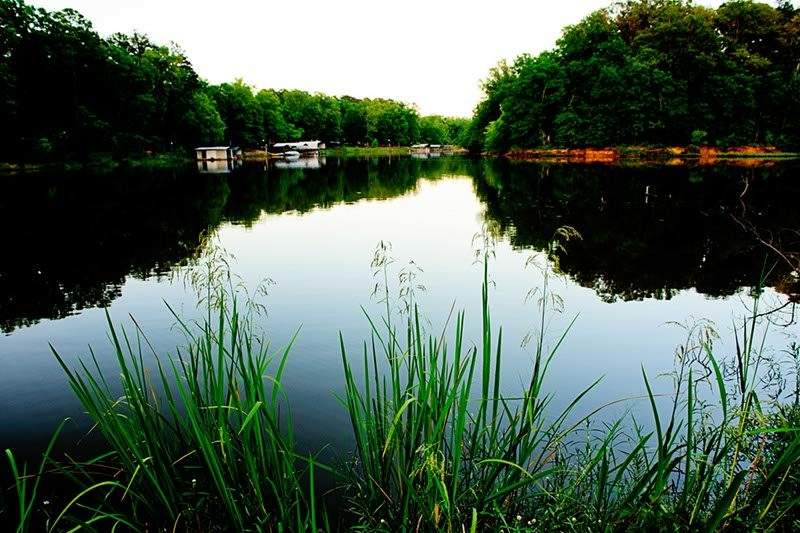
Runaway Branch Park
Runaway Branch Park has two segments – called RP I and RP II – that bound the same body of water from the east and west. Expect the water to draw spri …
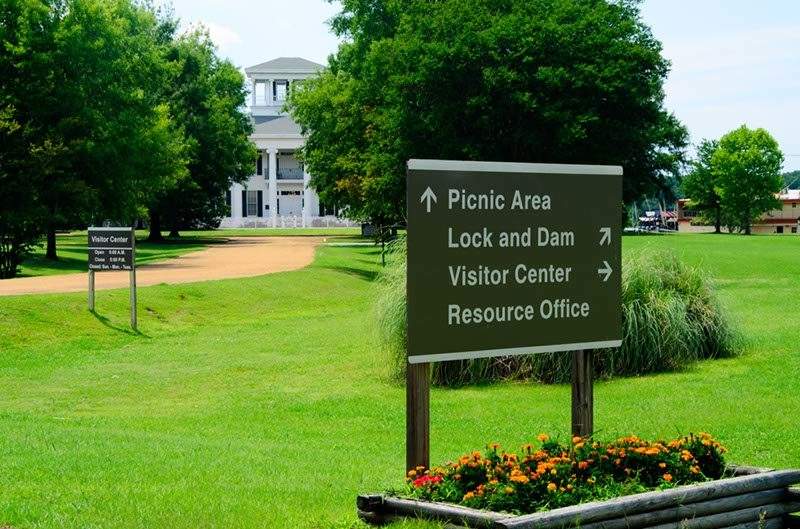
Tom Bevill Lock and Dam Visitors Center
The Bevill Visitors Center grounds feature short-grass lawns with scattered small shade trees. The property is home to numerous bluebirds and various …
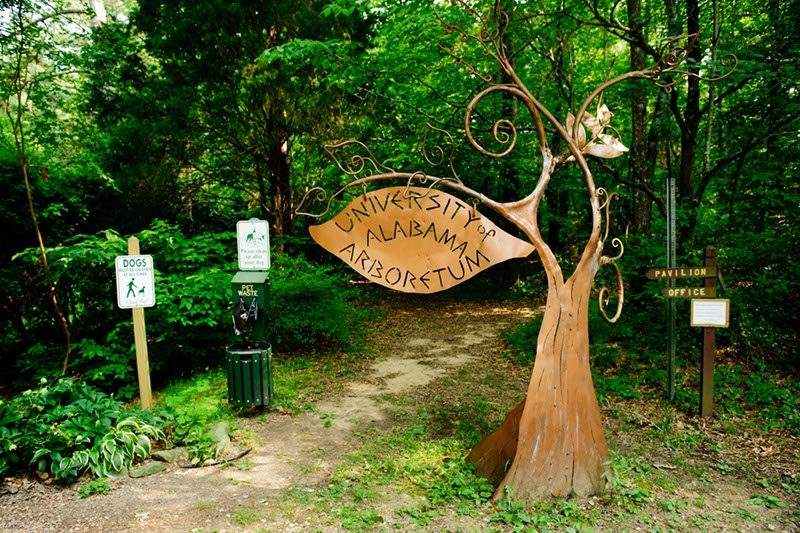
University of Alabama Arboretum
The single best location in Tuscaloosa for songbirds, the arboretum is a “must-see” for birders. Best in spring and fall migration, it is also a valua …
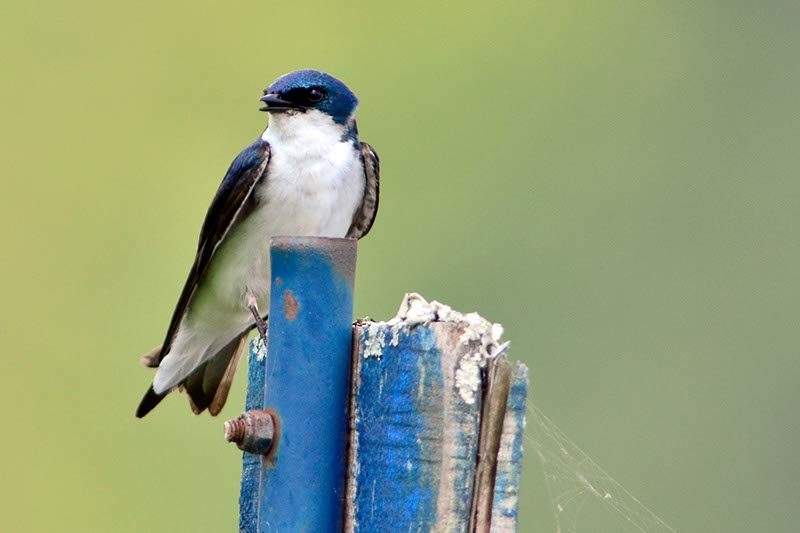
Walker County Fishing Lake
Temporarily Closed. A delightful birding experience awaits at Walker County Lake. Tree Swallows are abundant here – many nesting pairs are present, al …
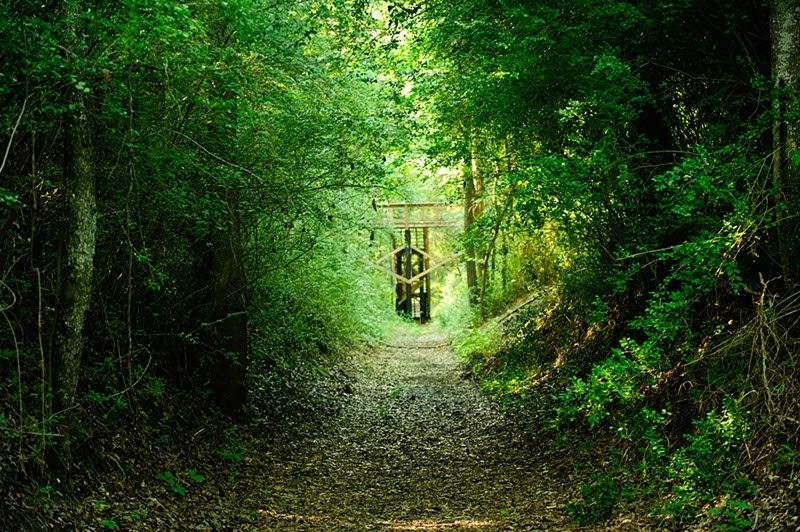
West Blocton Coke Ovens Park
Easily surveyed in a couple of hours, Coke Ovens Park is a worthwhile stop near the Cahaba National Wildlife Reserve, the Bibb Glades, and Living Rive …